Facelift
Facelift: An individualized operation intended to address age-related changes in the lower face and neck.
What is facelift?
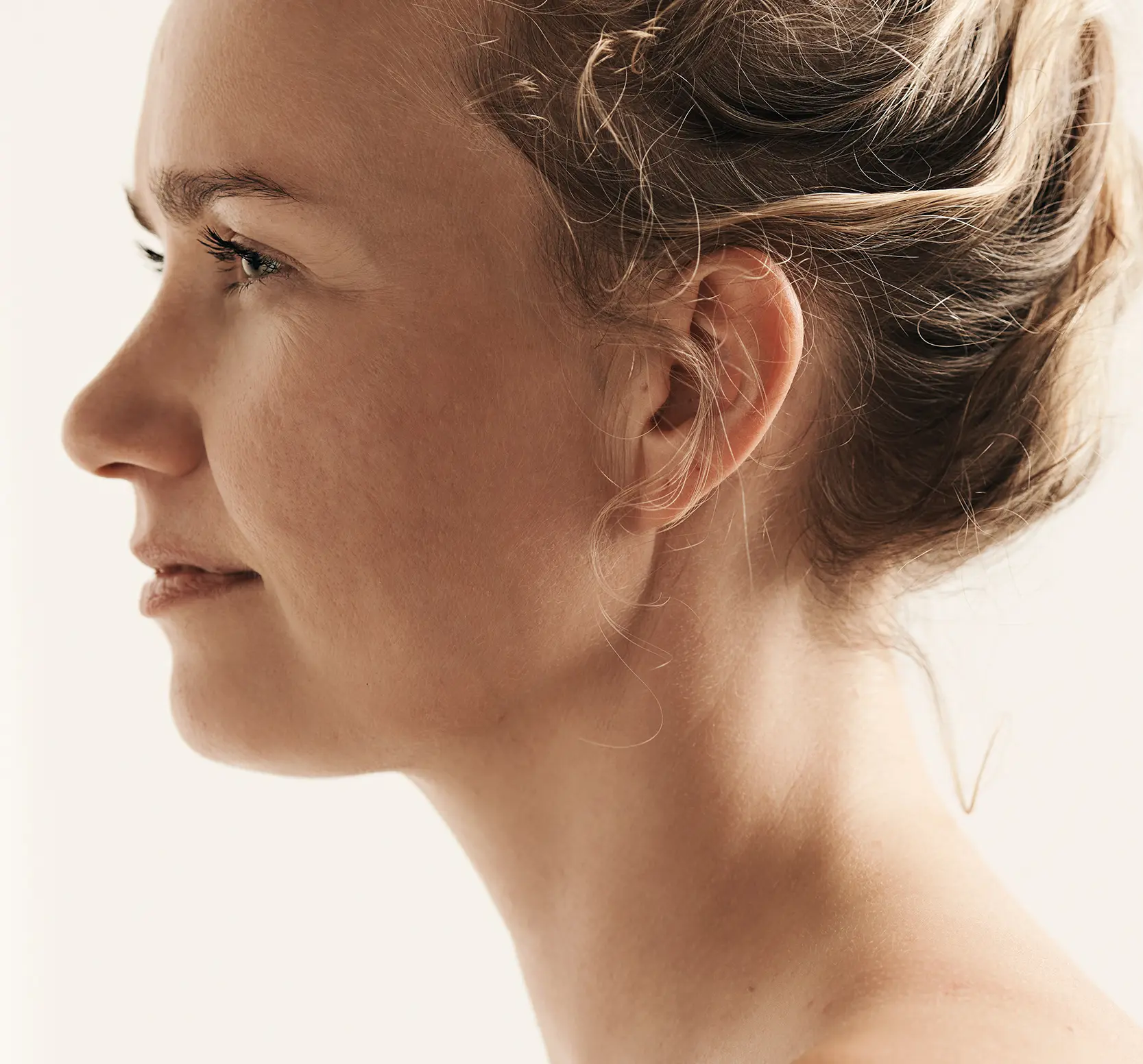
A facelift addresses age-related changes in the lower face and often the neck. The aim is not to give you somebody else’s face, but to assess how tissue descent, skin laxity and changes along the jawline relate to your own concerns. Tightening the skin alone does not describe the whole operation: planning also considers the supporting tissues beneath the skin and the proportions of the face.
Facelift techniques reposition deeper facial tissues and may remove a measured amount of excess skin. The exact plan depends on anatomy, priorities, previous treatment, and health. A consultation is needed to decide whether surgery—or a non-surgical alternative—is appropriate.
Before your appointment, you can write down what troubles you most and when you notice it. Describe in your own words what you would like to change and what you would prefer to keep. A photograph may help explain a question without becoming a target. Consultation is a place to clarify wishes together, not a situation in which you must already know the right technique or decide on surgery immediately.
Bring practical questions into the discussion too. How much time can you arrange away from work? Who could help at home if needed? Are there trips, celebrations or particular work commitments planned for the coming months? Sharing these circumstances helps make the plan compatible with your life. Ask for clarification whenever something remains unclear, and ask how to reach your treating team before and after surgery. General website content is not a personal decision or treatment plan.
Before-and-after photographs show individual patient situations. When looking at them, consider what interests you and what you would like to ask during your own consultation. Another person’s photographs do not promise the same change for you. Say if the examples raise concerns or suggest a change that feels too extensive. Your own goal need not match a gallery example, and there is no need to rush a surgical decision. You can request the proposed plan in writing and return to your questions later.
Who is facelift suitable for?
A facelift may be considered when lower-face or neck laxity is troubling and a surgical change is being explored. Not every facial concern is corrected by lifting. Changes at the skin surface and loss of tissue volume are different issues and need separate assessment. During consultation, the surgeon distinguishes concerns involving the face, the neck and the effects of previous treatments before suggesting an approach.
- Adults concerned by laxity through the jawline, lower face, or neck
- People in stable general health with realistic, specific goals
- Non-smokers, or those able to follow an agreed smoking-cessation plan
- People prepared for visible swelling, bruising, scars, and a staged recovery
How the operation is performed
Surgical techniques can address different tissue layers. The appropriate method, anaesthesia and any treatment of the neck are selected after examination. Incisions are usually planned around the ears and hairline, although their precise course varies. An estimate of operating time is given once the extent and any combined procedures are defined; this page does not promise one duration that applies to everyone.
- Review your health, medicines, previous procedures, and reasons for considering surgery
- Examine facial proportions, skin quality, and areas of laxity
- Discuss technique, anaesthesia, scars, limitations, alternatives, and individual risks
- Agree on a preparation and follow-up plan before making a decision
Facelift recovery
Time away from work and social activities depends on physical demands and visible healing changes. Swelling, bruising and tightness can affect the early recovery period. The first reflection in the mirror is not the final result. Scars and deeper tissues continue settling for months, and surgery does not stop natural ageing. Follow-up appointments assess healing and the safe return to more demanding activities.
- First days
- Swelling, bruising, tightness, and temporary sensory changes are common. Follow the surgical team's wound and activity instructions.
- 1–2 weeks
- Early review and suture care may take place. Many people still have visible bruising or swelling.
- 2–6 weeks
- Activity is increased gradually if healing is uncomplicated. Residual swelling can remain.
- Several months
- Scars and tissues continue to settle. Timing and outcome vary for every patient.
Risks and possible complications
Procedure-specific discussion includes skin circulation, facial nerve function and asymmetry. Sensation may change, and weakness related to nerve function can be temporary or persistent. A collection of blood may require further treatment. Risk assessment considers factors such as nicotine use, previous operations and medicines. Before-and-after photographs cannot establish your individual risk level or predict how your own tissues will heal.
- Bleeding, infection, fluid collection, and anaesthesia-related complications
- Visible or widened scars, delayed healing, or skin loss
- Temporary or persistent numbness, weakness, pain, or asymmetry
- An unsatisfactory result or need for further treatment
Price – what determines it
This page does not state a confirmed surgical price or assume that one fee applies to every situation. Ask Sairaala KL for an up-to-date written estimate based on your own plan. Check how consultation, the operation, anaesthesia, operating facilities and follow-up are itemised, and which are included in the quotation. This lets you compare the complete proposal without making assumptions about what a single figure covers.
Also ask about any separately charged investigations, supplies or additional appointments, together with payment and appointment-change terms. If a combination of procedures is proposed, request a clear description in the quotation. Do not infer your fee from another patient’s bill. Appointments and price enquiries are handled by the clinic on +358 20 766 9390; website information is not an individual quotation.
Frequently asked questions
Before and after photos
View surgical results here
Consultation
What to Expect from a Consultation
How the consultation works, how to prepare, and what we will go through together.
Book a consultation
A consultation explores your concerns, goals and options without committing you to surgery. Bring your questions and details of previous treatments. Appointments: Sairaala KL, +358 20 766 9390.
Face and neck